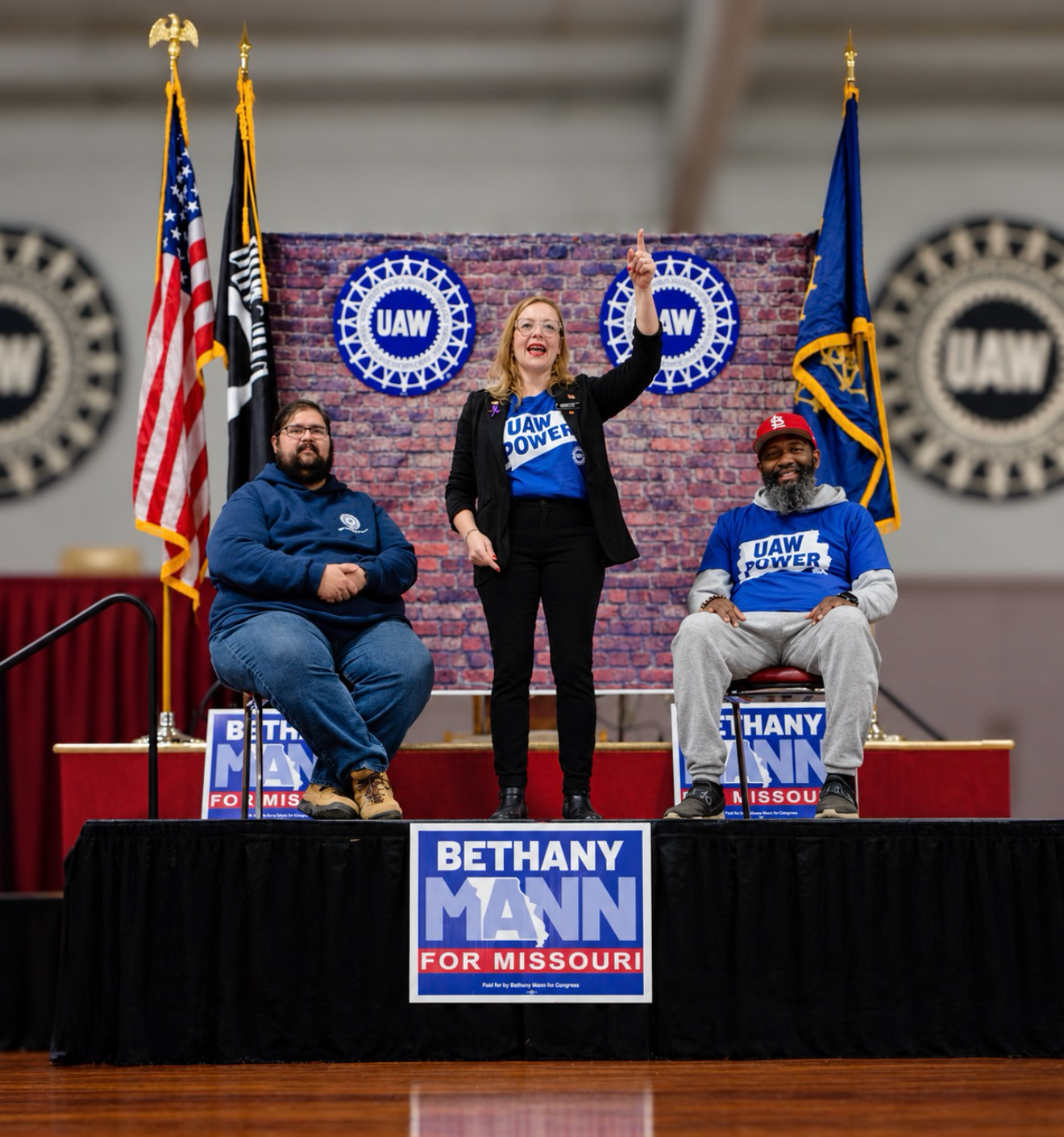
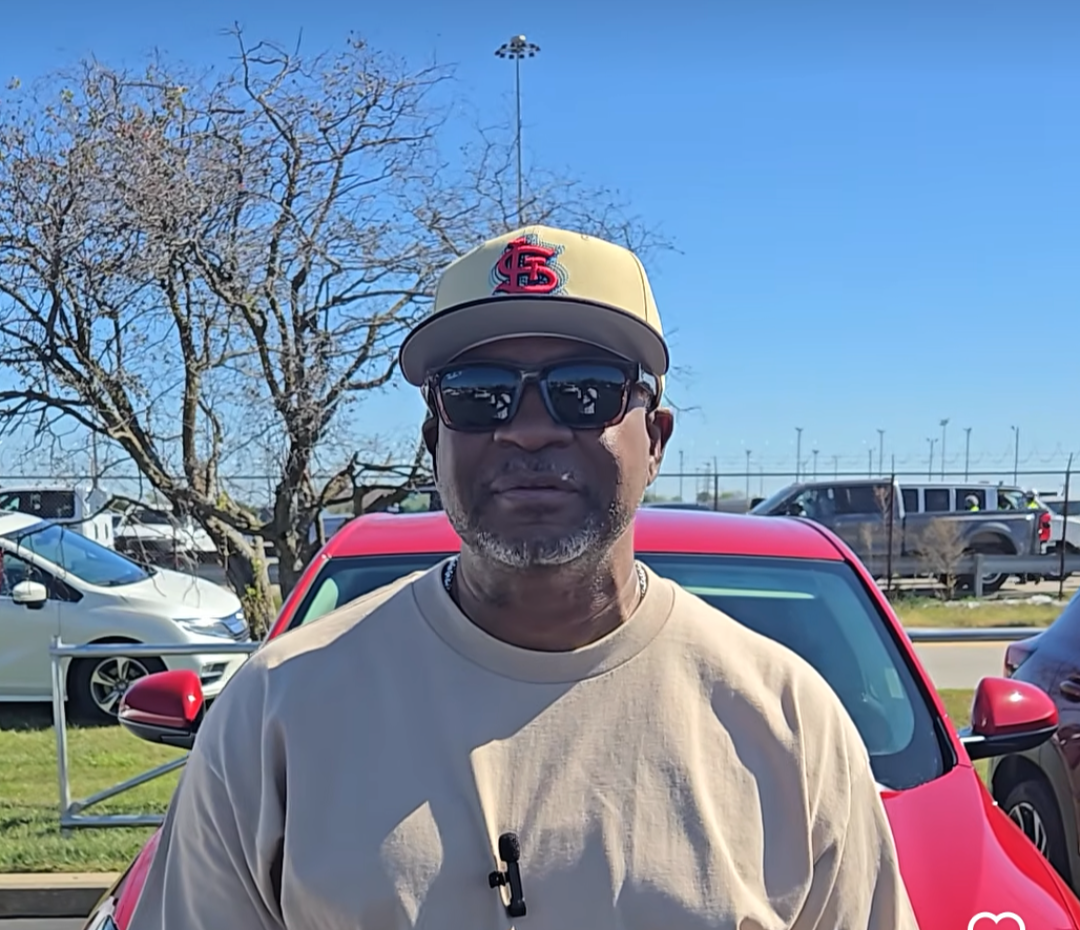
UAW Local 2250 member Tylor Westfall gives his answer to the question What is Solidarity?
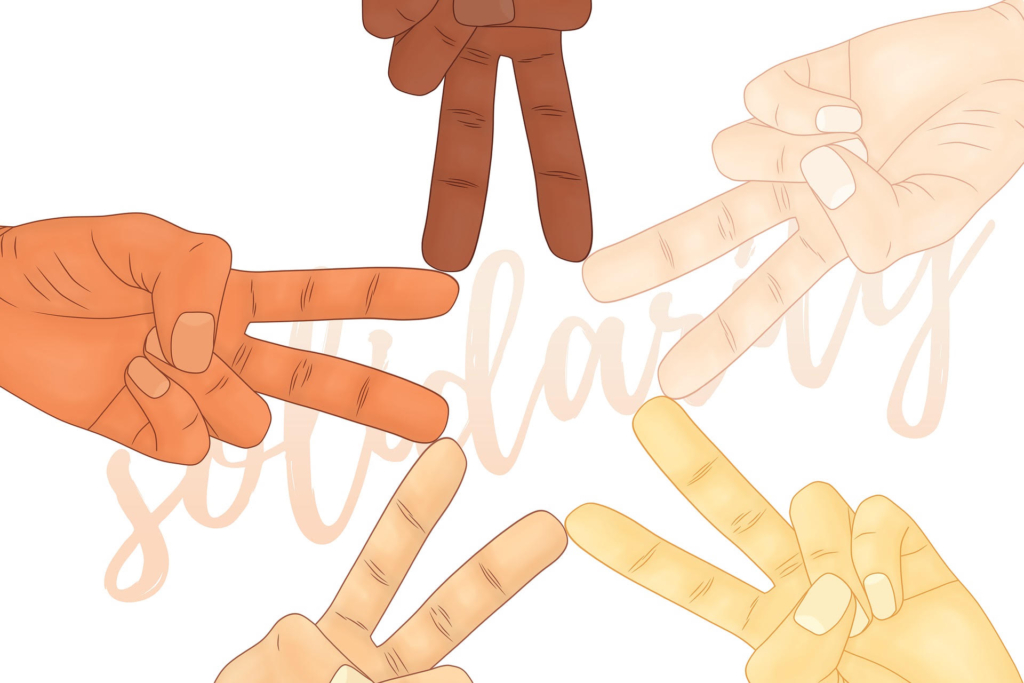
What is Solidarity?
When people are asked to define solidarity, they often say it means unity or coming together for a shared cause — but that misses the deeper point. If you stack a pile of bricks to form a wall, each brick stands in unity, yet a strong gust of wind or even a slight push can knock that wall down. To make the wall stand, you need mortar to bind the bricks together. Solidarity is that mortar. It’s what keeps us solid, what keeps us together while in unity. It is the willingness to give support when another person is in a difficult position. In other words, when our Brothers and Sisters need help, solidarity is our undying oath to have each other’s back.
Everyone knows the word, but many seem to forget its deeper meaning. And this isn’t exclusive to our Local. Recently, I attended the Pat Greathouse Center for Basic Summer School and met dozens of Brothers and Sisters from Locals across our Region. What I found is that our experience is not unique — and in fact, Local 2250 seems to be among the strongest in our Region. What I realized from Summer School, from hearing about other Locals, from what I’ve seen in our own Local during the recent election cycle, and even during the Strike a few years back, is that many people love to throw the word solidarity around — but often as an attack. I almost exclusively see it used as a way to pressure a Brother into forgoing their best interest in favor of someone else’s. Solidarity is not a one-way street. If we wish to combat the billionaire class, the corporations, and the bought-and-paid-for government, we must stop demanding solidarity from others and instead remind ourselves to show solidarity to others.
I recall the 2023 Strike as the clearest example of this behavior. We had a large contingent of Brothers who wanted everyone to vote the contract down in hopes of getting a bigger raise. After six weeks on Strike, we had already won considerable gains — COLA, fair wage increases, and the right to Strike in the case of plant closures. Of course, we didn’t get everything we wanted, needed, or deserved, like pensions, retirement healthcare, or a better work-life balance. No Strike is perfect. Strike is rough and messy. Some people are able to prepare and weather the burden, while others simply aren’t. Those who said, “You must have solidarity with me — go without pay longer so we can get a slightly bigger raise,” were taking a gamble. They were willing to risk losing weeks or months of work, possibly risk losing real gains already bargained for, all for the chance at a slightly better deal. Those most willing to risk are often the ones who need solidarity the least. It’s those who can’t afford to risk losing pay, bargained gains, or benefits who need our solidarity the most.
I myself was in a relatively good spot during the Strike. I was a temp who had only worked at the plant for about three months. I didn’t have years to prepare; I barely made enough each paycheck to get by. When Strike began, I worked full-time stocking groceries at a nearby market. And although walking the picket line, meeting Brothers and Sisters from across the plant, hearing their stories, and sharing ideas was a valuable experience, Strike was still rough for me. Yet I feel I gained more through the contract than most. As a temp, going from temp pay to seniority pay with raises meant I saw the most gains and lost the least, since strike pay wasn’t much lower than what I was used to. So among those of us out there, I could have afforded to gamble more. But the stories I heard from people in the plant — those who couldn’t afford to risk it — made it clear that pushing for a longer Strike wouldn’t have been right for them. I heard countless stories from people already living paycheck to paycheck who couldn’t afford another month without work. Others depended on our healthcare plan and worried that holding out for a slightly better raise might come at the cost of worse healthcare. These weren’t struggles I faced, and I doubt those throwing around the word solidarity as an attack were facing them either. It’s those struggling the most who need our solidarity the most.
I’m not saying anyone should vote against what’s best for themselves or their family — in fact, the opposite. Everyone should vote for what’s best for their family. But what needs to change for the betterment of our Local — and more broadly, for the betterment of our Union and our Cause — is that we must remind ourselves what solidarity truly means. And I do mean remind ourselves, because solidarity is not meant to be an attack on the Brother standing next to you on the line. It is meant to be a reminder to be there for him when he needs you most. If we continue to lose sight of this deeper meaning, we will surely lose the fight against the corrupt ruling class. We can all stand in unison, but when we turn our backs on the true enemy and begin to attack and resent each other, that is the greatest loss we can suffer. Only when we truly realize the power we hold together — in unity and in solidarity — will we form an impenetrable wall no billionaire can buy through and no self-serving politician can break.