Torque News takes a hard look at the air inside your car and what happens while you drive. I’ve Been Tracking Carbon Dioxide Levels In My Rivian R1T is focused on his vehicle but the concept of declining air quality applies to all vehicles.
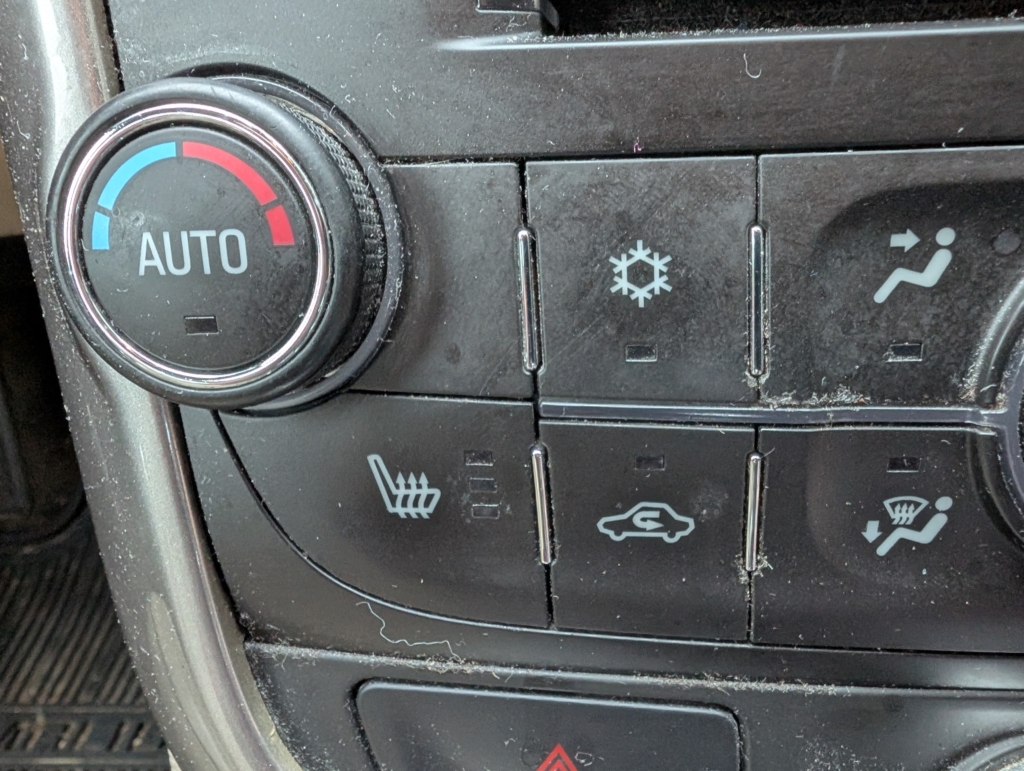
All medical documentation I’ve found, common respiratory recommendations, etc. have drowsiness beginning at 1,000 ppm CO₂ for many people, and that’s the recommended level to stay under for prolonged periods. Over 2,000 ppm is sometimes associated with dizziness, brain fog, etc. It gets more drastic as the ppm count rises and exposure time rises, obviously. Manually switching climate to fresh air intake makes the CO₂ ppm count drop from 3,000 ppm to under 600 ppm within 5 minutes. So my original observation and frustration post about the climate constantly ‘choosing’ recirculate being a potential hazard seems to be grounded in logic, truth, backed by real data, and a concern of habitable environments for modern medicine as well.” He even provided a link to support his research of the potential health trade offs.
If sleepiness/brain fog is an issue, be sure to keep an eye on the Recirculate setting on your vehicle HVAC system.