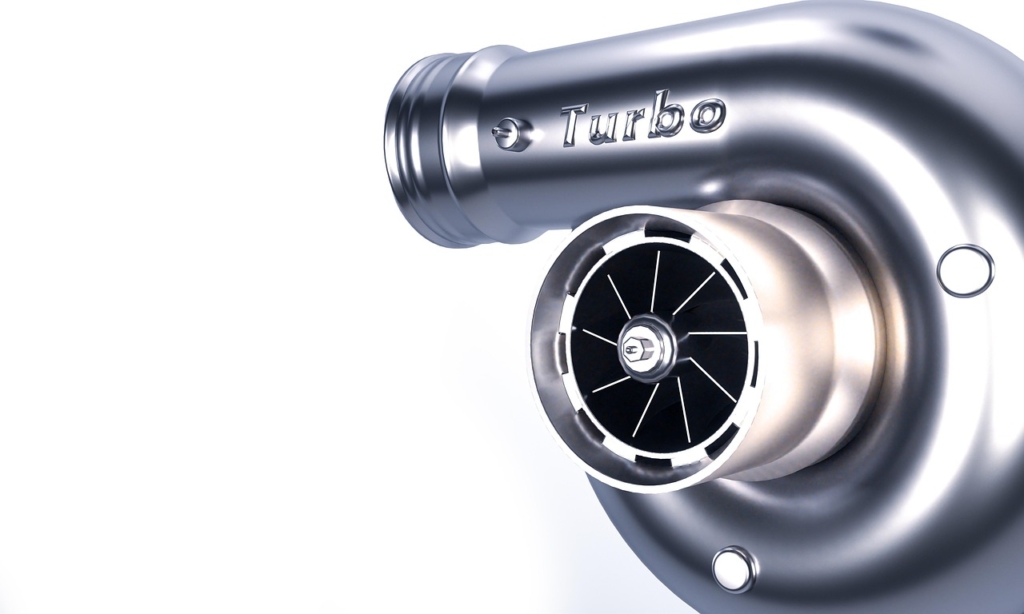
Turbochargers work hard to deliver higher performance, with the turbine/impeller spinning up to 350,000 times a minute. To put that into context, the redline for the Ferrari LaFerrari — considered one of the highest-revving street cars ever — is 9,250 rpm. The incredible speed of the turbo wheels is exacerbated by the heat they have to endure, especially the turbine wheel that’s facing extremely hot exhaust gas. As a result, the turbine manifold can reach temperatures of 600 to 950 degrees Celsius (1,112 to 1,742 degree Fahrenheit). That can be hot enough to melt silver. Meanwhile, excess heat is a deadly enemy to oil performance. High temperatures lead to thinner oil, preventing proper lubrication, and if the oil gets hot enough, it can start to break down. The extreme heat of turbochargers is especially problematic since the temperatures can get high enough for “coking,” the creation of coke deposits on the turbo components. The point being, turbocharged engines put oil under much more stress than typical motors, causing it to degrade quicker. The only cure? Fresh oil.